


Reshaping the Coastline From the Legacy of Tanjung Sirik to the Eco-Tourism Lighthouse of Kuala Igan
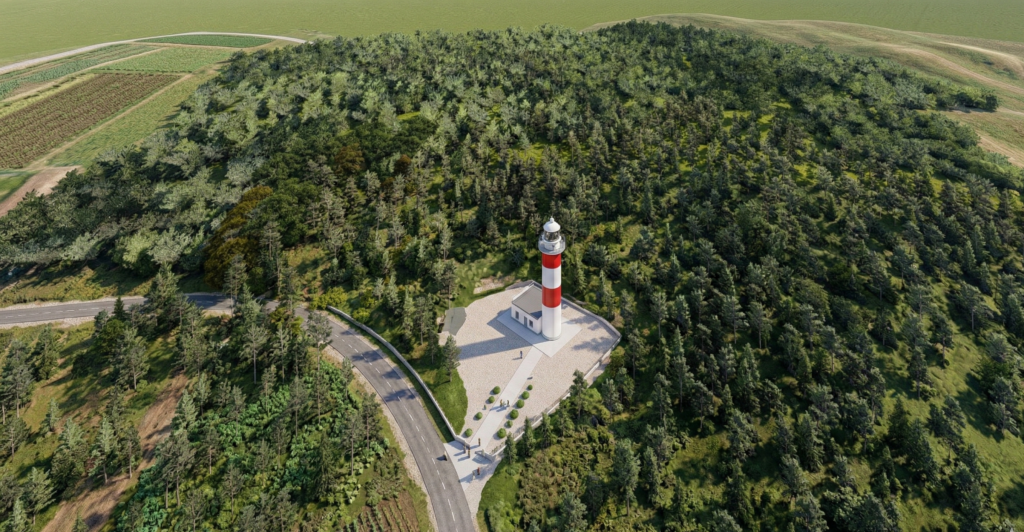
The construction of the Kuala Igan Lighthouse in Sarawak, Malaysia represents a strategic evolution in maritime infrastructure. This article explores the transition from the historic, erosion-threatened Tanjung Sirik station to a modern, sustainable aid to navigation at Kuala Igan. Beyond its navigational utility, the new structure serves as a catalyst for eco-tourism, bridging Sarawak’s maritime heritage with the socio-economic development of the Mukah coastal community.
Introduction: A Dual-Purpose Sentinel
In the realm of maritime aids to navigation (AtoN), infrastructure is rarely designed with tourism as a primary stakeholder. However, the development of the Kuala Igan Lighthouse in Mukah, Sarawak, challenges this convention. This project is not merely a functional replacement for an aging asset; it is a holistic development initiative designed to secure safe passage for vessels in the central region of Sarawak while simultaneously unlocking the potential of the local eco-tourism sector. By placing a modern aid to navigation within a rich ecological and cultural landscape, authorities are proving that maritime safety can serve as a foundation for community prosperity.
The Historical Imperative: The Erosion of Tanjung Sirik
To understand the necessity of Kuala Igan, one must look to the history of its predecessor, Tanjung Sirik. For over 170 years, Tanjung Sirik served as the primary navigational guardian for the region. Its legacy is deep-rooted, with the first station established in 1850, followed by subsequent upgrades in 1882,1904, and finally, the fourth structure in 1978. It was, for generations of mariners, the
definitive symbol of guidance in these waters.
However, the coastline is a dynamic and often unforgiving environment. Over recent decades, severe coastal erosion and shifting soil structures have compromised the integrity of the Tanjung Sirik site. With the original location now reclaimed by the sea and submerged, the continued operation of the lighthouse became untenable. This force majeure necessitated a paradigm shift—moving from a strategy of preservation to one of strategic relocation to ensure the continuity of service.
Strategic Relocation: Why Kuala Igan?
The selection of Kuala Igan as the successor site was driven by rigorous hydrographic and logistical analysis. Ideally situated to cover the central shipping lanes of Sarawak, Kuala Igan ensures that the light character and visibility range remain optimal for mariners.
Crucially, the relocation addresses a major operational pain point: accessibility. Unlike the isolated nature of the old Tanjung Sirik site, Kuala Igan offers superior road access. This logistical advantage allows for more frequent, cost-effective preventive maintenance, ensuring that the AtoN maintains high availability rates—a key performance indicator for IALA standards. The move effectively closes a navigational void while solving the long-standing maintenance challenges posed by the eroding terrain of the previous site.
Engineering for Sustainability
Reflecting the modern ethos of the maritime industry, the Kuala Igan Lighthouse is a model of green engineering. The structure is built using marine-grade materials designed to withstand the harsh tropical saline environment, reducing long-term degradation.
More importantly, the facility operates on renewable energy, utilizing advanced solar power systems. This aligns with global efforts to decarbonise maritime infrastructure. The site has been designed to function as an educational hub, where students, researchers, and technical visitors can study the integration of photovoltaic technology in critical infrastructure. It stands as a “living laboratory,” demonstrating how aids to navigation can coexist harmoniously with the environment.
Socio-Economic and Cultural Synergy
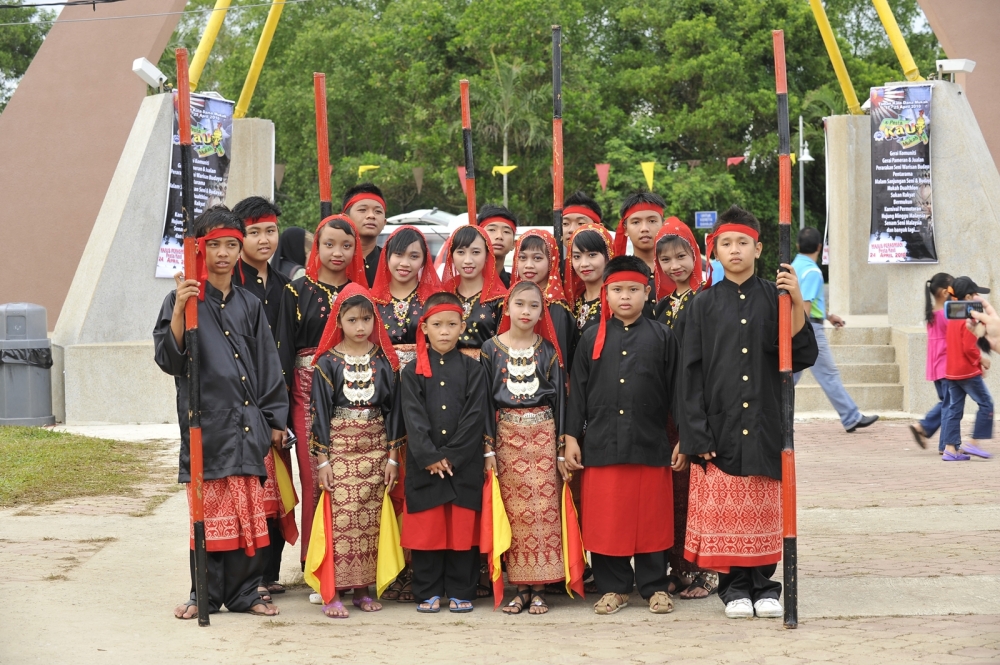
The most distinct feature of the Kuala Igan project is its seamless integration with the local culture and economy. Mukah and Igan are the heartlands of the Melanau community, famous for their rich traditions and the iconic Kaul Festival. By situating the lighthouse near the festival grounds, it bridges the gap between traditional maritime culture and modern engineering.
Visually, the lighthouse acts as a new aesthetic landmark against the backdrop of untouched mangroves and expansive beaches. It creates a focal point for tourists, encouraging the growth of local “homestay” accommodations, seafood enterprises, and handicraft markets. It transforms a technical asset into a community asset, inviting the public to engage with their maritime history while enjoying the natural beauty of the coast.
Conclusion
The Kuala Igan Lighthouse is more than a structure of steel and light; it is a symbol of resilience and adaptation. By retiring the submerged legacy of Tanjung Sirik and rising anew at Kuala Igan, Sarawak has secured its shipping lanes while illuminating a path for local economic growth. This project exemplifies the perfect equilibrium between navigational safety, environmental stewardship, and cultural preservation.
Author: Naqib Bin Idris

IALA e-Bulletin Rapporteur: Paul Ridgway.