


Green Cape Lighthouse recommissioned
An historic light returns to service
After more than three decades, the light at Green Cape, located on Australia’s south‑east coast in New South Wales (NSW), is shining once again.
In February 2026, the historic Green Cape Lighthouse was recommissioned, returning AtoN operations to its original 1883 tower for the first time in 34 years. Delivered by the Australian Maritime Safety Authority (AMSA) in partnership with the NSW National Parks and Wildlife Service (NPWS), the work demonstrates how heritage lighthouse infrastructure equipped with modern technology can resume active service as a contemporary aids to navigation (AtoN).
Green Cape Lighthouse occupies one of the most significant navigational positions in the region, marking the first major headland for northbound coastal traffic rounding Cape Howe and entering one of the busiest shipping corridors on the NSW east coast. Originally part of the 19th century “highway of lights” established to improve safety along the NSW coastline, its role remains just as important today, guiding seafarers operating in Australian waters.
The lighthouse was decommissioned in 1992, with operations transferred to a solar-powered beacon on a separate structure. However, as that lattice tower approached end-of-life, AMSA undertook a strategic review of replacement options. Reinstating the heritage tower emerged as the preferred solution, offering a viable alternative to new infrastructure construction and an opportunity to return a 140-year-old heritage lighthouse to operational service.
Central to the project was the integration of modern light emitting diode (LED) technology within the original Chance Brothers lens. This approach allows the lighthouse to operate more efficiently with lower power demand, while improving reliability for off-grid operation. For mariners, this means a more dependable light source—reducing the risk of outages and ensuring consistent visual navigation cues along the coast.
The work also reflects broader international best practice, drawing on work through the International Organization for Marine Aids to Navigation (IALA). AMSA has an established program of retrofitting LED technology into traditional lens assemblies—demonstrated in early examples such as Cape Byron Lighthouse, where modern lighting was integrated within the existing historic optic. Green Cape builds on this approach, showing how heritage optics can continue to play an active role when paired with contemporary systems. These advances help ensure Australia’s AtoN network remains fit for purpose, supporting safe operations in an evolving maritime environment.
The relighting of Green Cape Lighthouse required careful integration of modern infrastructure within a heritage-listed structure. Heritage approvals enabled the re-integration of key elements, with the mercury float pedestal serviced and retained, and discreet drive upgrades to ensure consistent rotation—maintaining the site’s structural and historical integrity.
Green Cape Lighthouse now stands as a practical example of how AtoN heritage infrastructure can be adapted to meet modern maritime safety needs, part of a broader international conversation among lighthouse authorities about the future of heritage AtoN infrastructure.
Readers wishing to learn more about Australia’s AtoN network are invited to use the link here: AMSA website. (https://www.amsa.gov.au/safety-navigation/navigation-systems)
Author: Elisa Boughton, Branch Manager International Engagement Policy and Regulation, AMSA.
IALA e-Bulletin Rapporteur: Paul Ridgway.
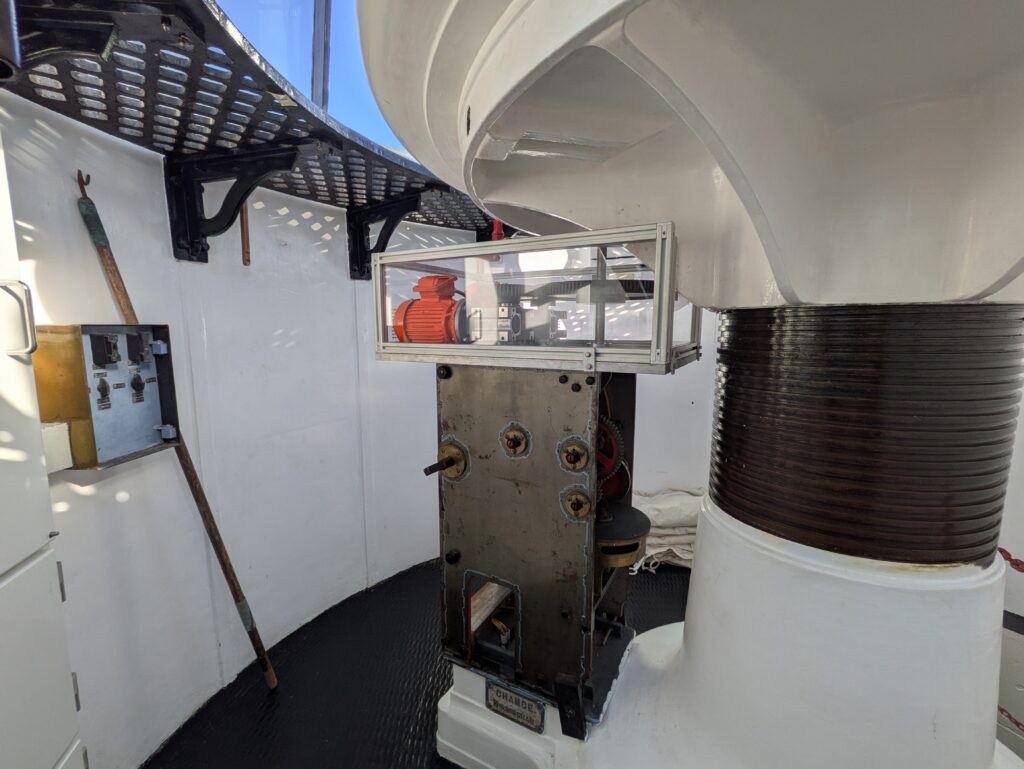
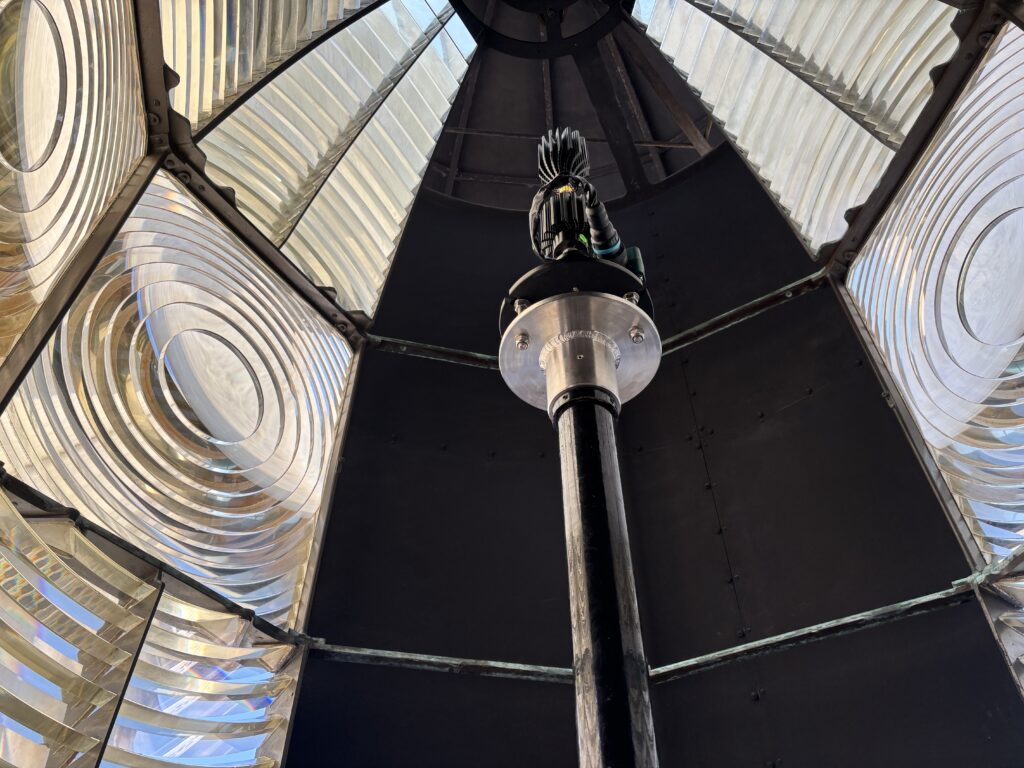
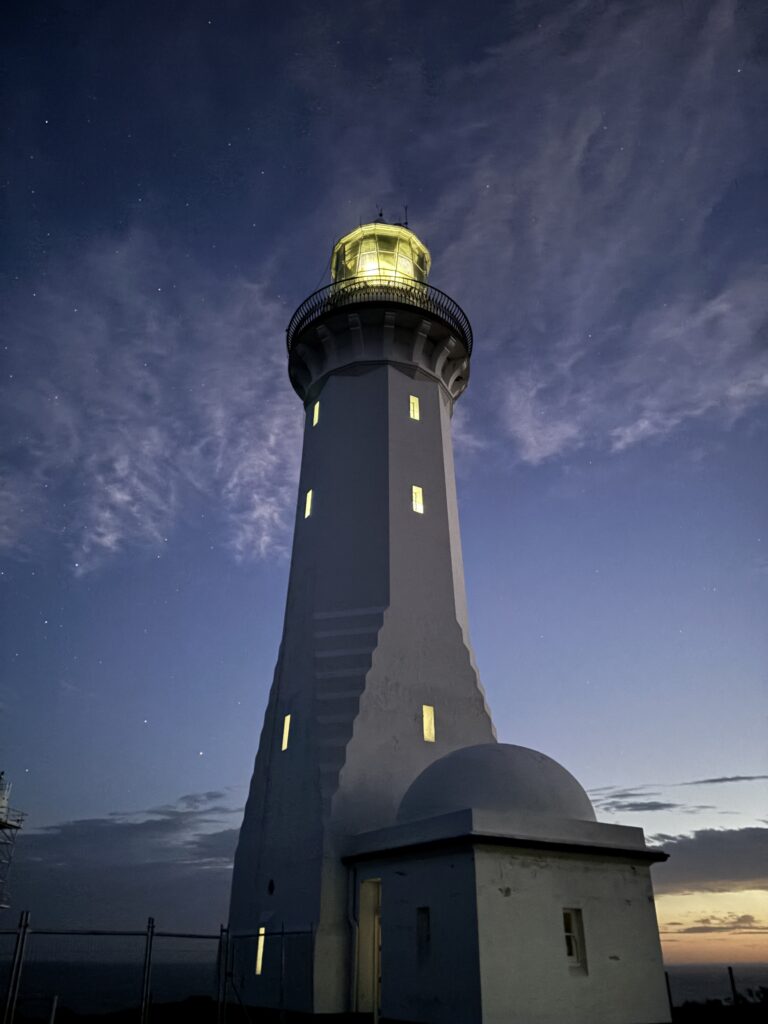
All illustrations AMSA ©